
Essential tools to website success – Part 5
In the fifth part of our blog series on getting the fundamentals of your website right, we look at website performance under high demand and monitoring your site for outages.
Every IT department at some point will face queries on why a site is running slowly or not delivering information quickly enough. There is a raft of essentials that we recommend exploring to ensure your site can handle large numbers of visitors.
Handling at Peak Load
Many new businesses don’t have hosting that can handle a large influx in traffic, and this can cause a website to slow right down. If the increase is very sudden, your web servers may not be able to cope with the demand and run out of processing power.
A sudden increase could be caused by a number of reasons, e.g. your company has been lucky enough to be referenced in the media or a sale has just been announced on your ecommerce site.
Suddenly everyone is heading for your website, but the excitement will turn to panic if the site cannot handle it. Disappointed users will be unlikely to return.
It is crucial to ensure your web hosting services have enough capacity. Here are the main elements to consider:
Firstly, with “normal” hosting services, there will be a bottleneck either with the maximum number of connections a server is configured to track. At this point, you want to give a friendly error message… otherwise it’ll be an unfriendly 503 Server Busy message. Or the server will simply run out CPU / memory power to generate web pages fast enough and send them to the user. Web page caching helps tremendously with this, but that will still have limits.
Further, look at your bandwidth. Two factors come into play here. Some web hosts will cap the amount of data you can transfer. Others will narrow the connection, so it has a maximum bandwidth; like trying to force the water from a fire hose through a straw.
Does it Really Matter?
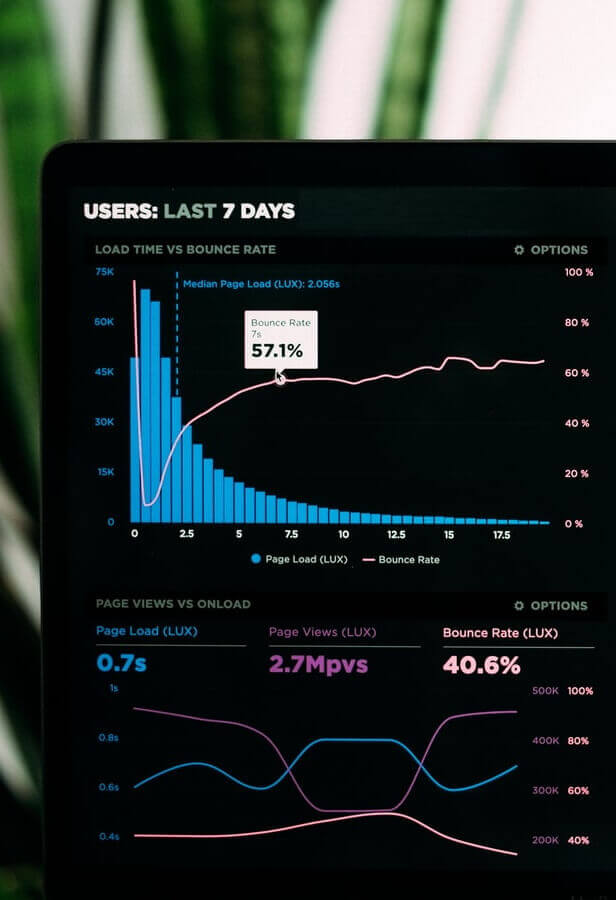
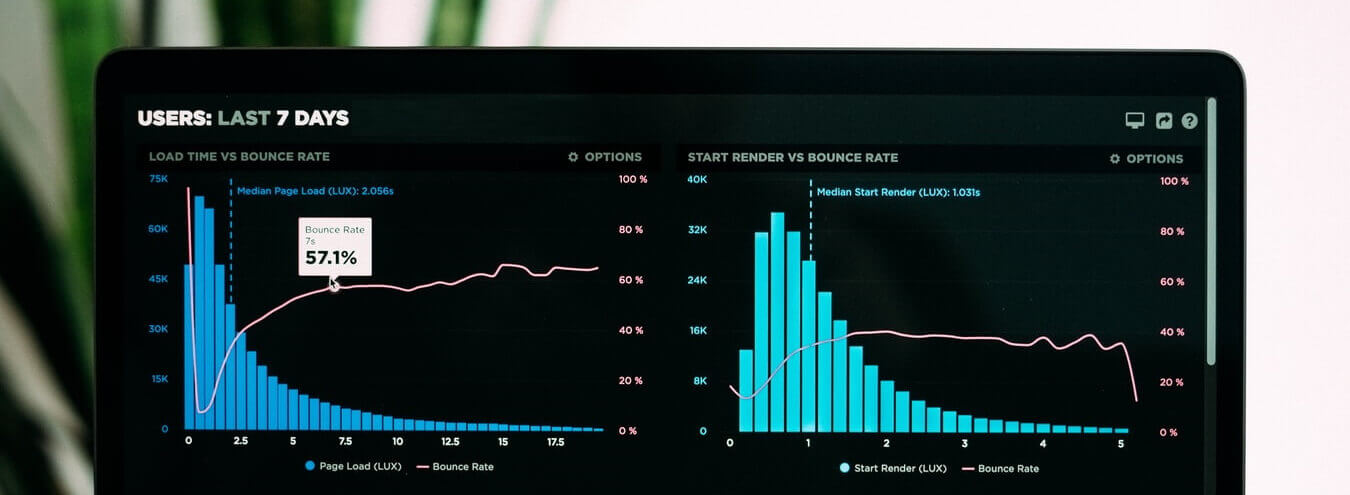
Research from Google cited that 53% of mobile website visitors will leave if a webpage doesn’t load within three seconds, which shows how important it is to maintain good site speeds.
On our website, we refer to research from Amazon. They demonstrated that every 100 milliseconds of latency that occurred on their website resulted in a 1% loss in sales. Which means every second of latency will cost Amazon approximately 10% of revenue.
This really can happen to any business. Meghan Markle wore a coat by Line the Label when her engagement to Prince Harry was announced, and the following surge in traffic caused the brand’s website to crash. Cyber Monday and Black Friday are dates that certain industries need to be mindful of, with recent casualties including Debenhams and The Perfume Shop.
It is crucial to your business to make sure your site is strong enough to weather a rush of new visitors.
Are there Fair Usage Policies in Place?
FUPs were introduced to make sure that busy websites with lots of users didn’t hog all the available bandwidth and CPU power. At peak times, some users will have limited upload speed.It can be frustrating for your users with fast connections to be limited by your web service – remember, most users will leave your site if it does not load in less than three seconds!
So… what does a resilient web hosting platform look like?
Auto-scaling is a cloud-computing feature that allows you to define rules that automatically scale cloud services, depending on current demand. A traditional hosting environment will have a limit to the resources that can be used. However, with cloud technology, additional server resources can be tapped in to when a pre-set threshold is reached.
This clever technology means your server will be automatically tuned to what is needed, helping the website performance stay consistent, whilst also controlling costs. You don’t want to have an expensive server running all the time, mostly unused “just in case”.
ALL serious online commerce and web services that require as close to 100% uptime use this technology. Now it’s so affordable… is your business taking advantage?

Monitoring for issues
A website can be an important measure of your company’s professionalism and capability. The last thing you want to hear from clients or potential clients is that your website is broken. Or if you have an ecommerce website that is your sole income, your livelihood could be put into jeopardy.
If there is an issue, the sooner you know about it, the sooner you can fix it. If your web developers do not already actively monitor your site, consider setting up a free monitoring service such as http://uptimerobot.com. This enables you to be aware of the problem straightaway, so you can get the issue fixed before it affects your reputation or loses you business.
Are you concerned about how much traffic your website can efficiently handle? Cloud Construct can stress test your site for you. Any issues or outages enable us to determine how many users can be accommodated, and implement / migrate your site to the right cloud services for your needs.
Finally, feel free to refer back to the previous entry in our Website Success blog series in regards to website performance.

